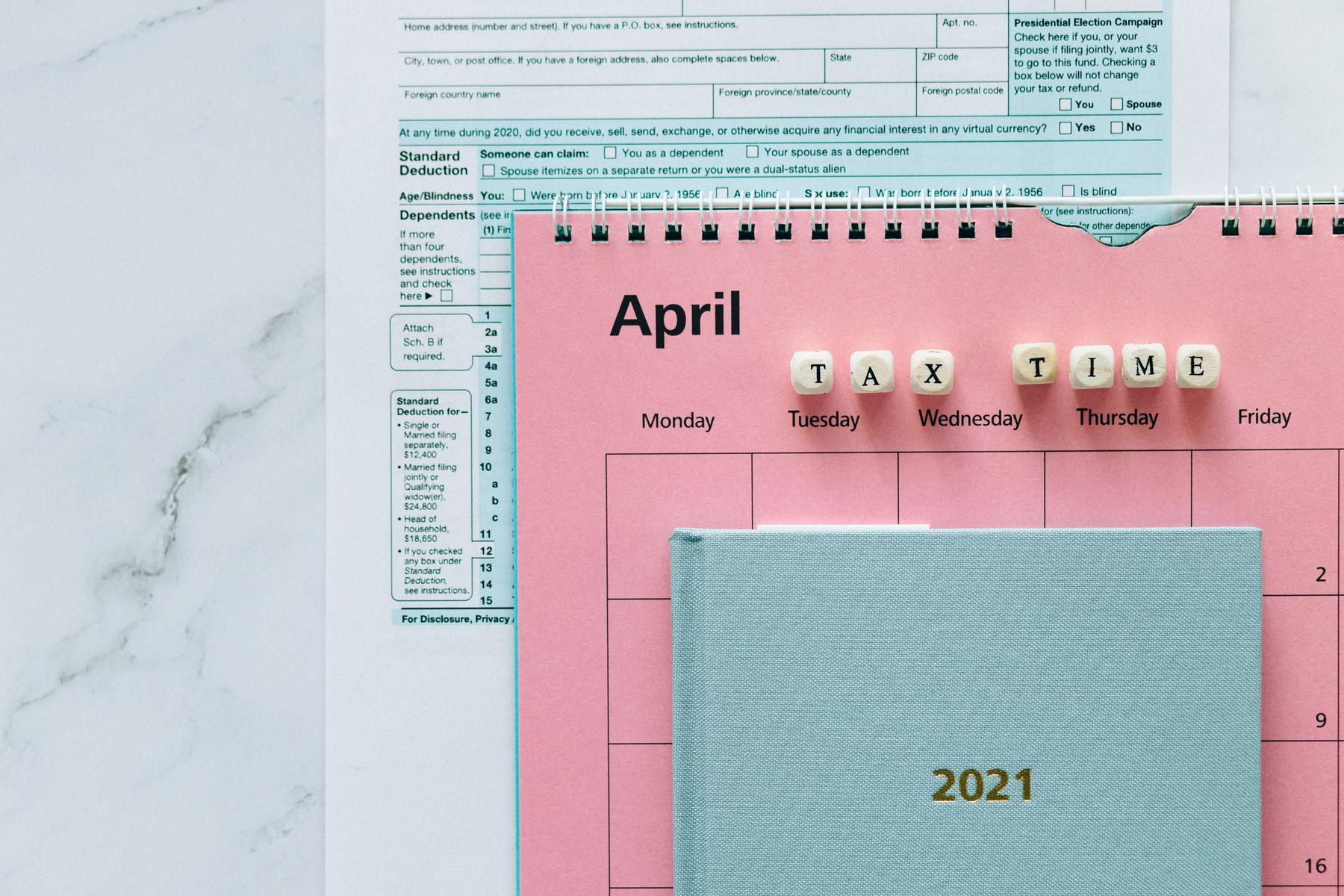
Missing a deadline is never fun. But when it's the Australian Taxation Office (ATO) holding the stopwatch, the consequences hit harder than a dropped bass line on opening night. Whether you've accidentally missed the due date or have been putting off that overdue tax return like a difficult second album, the financial and legal fallout of lodging your tax return or BAS late can escalate faster than you'd expect - and in 2026, recent regulatory changes have made it more expensive than ever.
Here's everything you need to know about what happens when you miss an ATO lodgement deadline in Australia.
When you don't lodge a required document - your tax return, Business Activity Statement (BAS), or other mandatory forms - by the due date, the ATO can hit you with a Failure to Lodge (FTL) penalty. This isn't a charge because you owe tax. It's a penalty simply for missing the deadline, regardless of whether you'd get a refund or owe nothing at all.
The penalty accumulates in 28-day blocks from the due date, calculated at one penalty unit per block, up to a maximum of five penalty units. As of 1 July 2026, each penalty unit is valued at $364. The clock doesn't stop ticking while you delay.
What makes the FTL penalty particularly sharp is that the amount multiplies based on the size of your entity:
| Days Overdue | Penalty Units | Small Entity (×1) | Medium Entity (×2) | Large Entity (×5) |
|---|---|---|---|---|
| 1–28 days | 1 | $364 | $728 | $1,820 |
| 29–56 days | 2 | $728 | $1,456 | $3,640 |
| 57–84 days | 3 | $1,092 | $2,184 | $5,460 |
| 85–112 days | 4 | $1,456 | $2,912 | $7,280 |
| 113+ days | 5 (max) | $1,820 | $3,640 | $9,100 |
Based on the current penalty unit value of $364 effective from 1 July 2026.
One important exception: if your late-lodged return results in a refund or a nil outcome, the ATO will generally not issue an FTL penalty notice - unless the penalty was applied before you actually lodged. That said, this exception doesn't apply to large withholders or third-party data reports.
There is also a safe harbour provision for taxpayers who engage a registered tax or BAS agent. If you provided your agent with all relevant information needed for timely lodgement and the delay was caused by the agent's failure (not recklessness or deliberate disregard of the law), you may avoid an FTL penalty entirely.
Beyond the FTL penalty, if you actually owe tax and pay it late, the ATO applies the General Interest Charge (GIC). This is a daily compounding interest charge applied to any unpaid tax liability from the original due date until payment is made in full.
The GIC rate is updated quarterly. For July–September 2026, the rate sits at 11.43% per annum (approximately 0.03131507% per day, compounding daily). That compound effect means every day of delay increases the total amount owed - interest accruing on interest.
Here's a concrete illustration from the research data: a small business with a $50,000 GST liability that is 90 days overdue at a 10.96% annual GIC rate would accumulate approximately $1,350 in GIC charges alone - before any FTL penalties are added to the bill.
What makes GIC significantly more painful in 2026 is a rule change that took effect on 1 July 2025: GIC incurred on or after that date is no longer tax-deductible. Previously, you could at least claim GIC as a deduction in your return, softening the blow. That offset is now gone. Every dollar of interest charged is a pure, unrecoverable cost to your business - no silver lining, no offset, no encore.
Late BAS lodgement triggers the same FTL penalty structure outlined above, but given how frequently BAS is due (four times a year for most businesses), the risk of accumulating penalties across multiple quarters is very real.
Quarterly BAS due dates are:
Miss one, and you're already one beat behind. Miss several in a row, and you're looking at stacked penalties across multiple periods.
The good news for some small businesses: if your annual turnover is under $2 million, you have recent activity statement amounts of $50,000 or less that have been overdue for up to 12 months, and you have a solid lodgement and payment history, you may be eligible for an interest-free payment plan. Under this arrangement, GIC is still technically incurred but is automatically remitted once it appears on your account - provided you stick to the plan via direct debit and continue meeting all other lodgement and payment obligations.
If you lodge your tax return or BAS late and the debt goes unresolved for long enough, the ATO may decide to stop waiting and issue a Default Assessment - their own legally binding estimate of what you owe, based on data they already hold from employers, financial institutions, and small business benchmarks.
A default assessment is not a gentle nudge. It carries the same legal weight as a self-assessed return, is often higher than your actual liability (because it doesn't account for your deductions or offsets), and comes with a base penalty of 75% of the assessed tax liability.
For example: if the ATO estimates a $10,000 GST liability through a default assessment, you're immediately looking at a $7,500 penalty on top of the underlying debt. If multiple default assessments are issued, subsequent ones attract an additional 20% calculated on the base penalty - pushing the total penalty to up to 90% of the underlying tax liability.
The ATO will typically send a Default Assessment Warning letter giving you at least 30 days to lodge your overdue obligations before issuing the formal assessment. However, if there's a risk you'll leave the country, move assets offshore, or dilute funds, they can skip the warning entirely.
The most direct and effective way to challenge a default assessment is to lodge your actual overdue return with supporting evidence of your real tax position. Simply objecting without doing so won't get you far.
The ATO's debt recovery process is methodical, and it doesn't take long to move from a friendly SMS to serious legal action. Here's how it typically progresses:
Stage 1: Initial Contact Within days of a missed due date, the ATO will reach out via SMS, myGov messages, phone, or written correspondence.
Stage 2: Formal Payment Requests You'll receive late payment notices, GIC notices, and account summaries detailing charges.
Stage 3: Pre-Referral Warning If the debt remains unresolved and you don't engage, a formal pre-referral warning letter is issued - your last chance to sort things out directly with the ATO.
Stage 4: External Debt Collection Unresolved debts can be referred to RecoveriesCorp, an external collection agency engaged by the ATO.
Stage 5: Legal Action The ATO can obtain court judgments, pursue bankruptcy proceedings for individuals, initiate company liquidation, and seize and sell assets to recover outstanding debts.
Two other serious consequences worth noting: the ATO can withhold your tax refund if you have outstanding lodgements, and tax debts above the legislative threshold can be disclosed to credit reporting bureaus, impacting your ability to obtain finance.
Yes - in some circumstances, the ATO will remit (reduce or cancel) FTL penalties or GIC. But their bar is set high, and as of January 2026, remission requests must be submitted through online forms. Critically, you must lodge all outstanding documents before requesting remission - the ATO won't consider it otherwise.
Circumstances where remission is likely to be considered include severe illness, natural disasters, financial abuse or coercive control, unexpected third-party data delays (despite genuine attempts to obtain it), or a registered tax/BAS agent who was severely ill and alternative arrangements were genuinely impractical.
On the other hand, the ATO is unlikely to accept remission requests based on being on holiday, general business pressure, short-term illness, not receiving ATO reminders, or simply giving your agent insufficient time.
Lodging your tax return or BAS late in Australia isn't just an administrative inconvenience - it's an escalating financial problem with real teeth. FTL penalties compound every 28 days. GIC accrues daily and, as of 2025, delivers no tax deduction to soften the blow. Default assessments can add penalties of up to 90% of your underlying tax liability. And the ATO's recovery toolkit is extensive.
Whether you're a sole trader, a creative freelancer, or a growing small business based in Penrith or anywhere across greater Sydney, staying on top of your lodgement deadlines is one of the most financially protective things you can do. If you're already behind, the worst thing you can do is nothing - the sooner you lodge and engage with the ATO, the more options you have available.
This article is general in nature and does not constitute financial or tax advice. Please consult a registered tax or BAS agent for advice specific to your circumstances.
Contact us today to learn how we can help simplify your paperwork and amplify your profits.
The ATO imposes a Failure to Lodge (FTL) penalty for late tax return lodgement, calculated at one penalty unit per 28 days overdue, up to a maximum of five penalty units. As of 1 July 2026, each penalty unit is valued at $364, meaning the maximum FTL penalty for a small entity is $1,820. Medium and large entities face higher penalties due to multipliers applied to the base amount.
Generally, the ATO will not issue an FTL penalty for a late-lodged tax return that results in a refund or nil outcome, provided that the penalty wasn’t applied before the document was lodged. However, exceptions may apply for large withholders or returns related to third-party data reports.
For the period July–September 2026, the General Interest Charge (GIC) rate is 11.43% per annum, which compounds daily (approximately 0.03131507% per day). It’s important to note that GIC incurred on or after 1 July 2025 is no longer tax-deductible.
Ignoring an overdue BAS can result in the same FTL penalty structure as tax returns, compounded penalties for each quarter missed, daily GIC accrual on any unpaid liabilities, and the potential for a Default Assessment which could include penalties of up to 90% of the underlying tax liability.
Yes, under specific circumstances the ATO may remit FTL penalties or GIC. Acceptable reasons typically include severe illness, natural disasters, financial abuse or coercive control, or significant delays caused by a registered tax or BAS agent. However, you must lodge all outstanding documents before requesting any remission.
Sign up to receive relevant advice for your business.