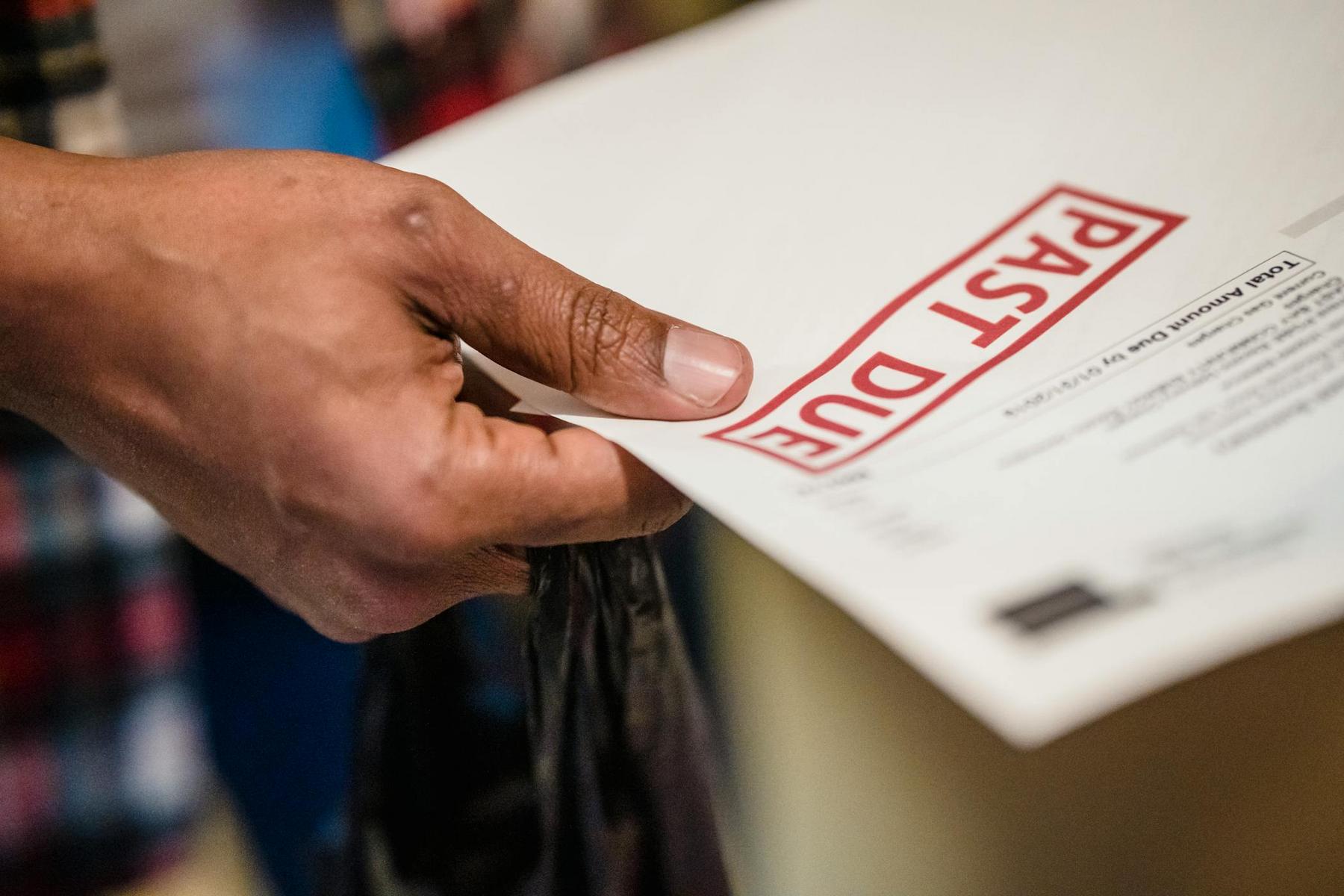
Late payments don't just sting - they can silence the whole band. If you're a creative professional or small business owner in Australia, you've likely felt the gut-punch of watching your invoice due date come and go while your bank account sits there, looking sadly at you. You've delivered the goods, produced the work, nailed the brief - and yet, somehow, you're the one waiting.
Here's the thing: late payments are no longer just a minor inconvenience. According to the GoCardless 2025 Pursuing Payments report, 63% of Australian businesses are losing money to late payments, and 17% of Australian SMBs are losing more than $2,500 per month - that's a potential loss of $30,000 per year for the hardest-hit businesses. Worse still, 80% of Australian businesses have experienced late or overdue payments in the past 12 months alone.
The good news? With the right administrative strategies for managing late payments, you can take back control, protect your cash flow, and stop spending your precious creative energy chasing invoices. Let's tune up your approach.
To fix a problem, you first need to understand its full weight. Late payments don't just affect your bank balance - they ripple out across your entire business.
The GoCardless data paints a confronting picture. Australian SMBs are waiting an average of 25 days beyond agreed payment terms to receive what's already owed to them. That's nearly a full month of cash sitting in someone else's account. And the time cost? One in five businesses devotes six to twelve working days per year to chasing overdue payments - time that could be spent on actual creative work, client development, or simply taking a breath.
The psychological toll is equally significant. Research shows that 39% of Australian SMBs avoid money conversations entirely, with some willing to write off more than 6% of their annual turnover just to sidestep an awkward conversation. That's not a cash flow strategy - that's a slow fade to black.
The flow-on effects are severe: 34% of Australian SMBs have turned to credit cards or loans to cover gaps caused by late payments, and 26% of business owners have fallen behind on their own bills as a result. If you're a creative professional operating as a sole trader or small studio in Penrith or anywhere across greater Sydney, these numbers aren't abstract - they're the difference between thriving and barely surviving.
The most powerful play in late payment management isn't chasing - it's preventing. Strong preventive administration is where the real headway is made.
A poorly structured invoice is an open invitation for delays. Every invoice you send should include:
Sending invoices promptly after delivering goods or completing a project milestone is equally critical. The longer you wait to invoice, the longer you wait to be paid. Confirm receipt with your client's accounts team - a quick email or message goes a long way.
Document your payment terms everywhere: in your contract, on your quote, in your welcome communication, and on every invoice. Verbal agreements are notoriously difficult to enforce and rarely survive a dispute.
Consider offering multiple payment methods - bank transfer, credit card, digital wallets, and increasingly, PayTo via Australia's New Payments Platform (NPP) - to reduce friction. The easier you make it to pay, the faster clients actually do.
Not every client deserves 30-day credit terms. Conducting credit checks on new clients before extending credit is a smart, professional move. Services from providers like CreditorWatch, Equifax, and Dun & Bradstreet can give you a clearer picture of a client's payment reliability before you're already owed money.
Set credit limits, document them in your policy, and review them regularly. For newer or higher-risk clients, consider shorter terms (7–14 days) or requesting a deposit upfront.
Think of accounting software as your rhythm section - it keeps everything ticking over so you can focus on the lead work. Modern platforms like Xero, MYOB, and QuickBooks aren't just bookkeeping tools; they're powerful instruments for managing late payments administratively.
Automated reminder sequences mean you're not relying on memory or emotional energy to follow up. A well-configured system can send a friendly nudge before the due date, a polite reminder on the day, and a progressively firmer sequence as days tick past. This consistent, documented follow-up process also creates an audit trail - essential if you ever need to escalate.
eInvoicing via the Peppol network is another emerging solution worth considering. Structured electronic invoices are exchanged directly between accounting systems, removing manual processing delays and reducing the room for "we didn't receive it" excuses. The Australian federal government has already incentivised this approach - Commonwealth entities that receive Peppol eInvoices are required to pay within just 5 days.
Online customer portals - where clients can view their outstanding balance, access invoice history, and pay directly - are also proving highly effective at reducing friction and accelerating payment.
This is territory where many business owners feel uncertain, so let's clear the air - without providing specific legal or financial advice (that's a conversation for your solicitor and accountant).
In Australia, late payment fees are legal when properly disclosed and reasonable. The key requirements are:
The federal government's Supplier Pay On-Time or Pay Interest Policy (in effect since 1 July 2022) requires non-corporate Commonwealth entities to pay suppliers within specific timeframes - 5 days for Peppol eInvoices, 20 days for contracts below $1 million, and 30 days for contracts between $1–$10 million. Late payments by Commonwealth entities can attract penalty interest.
For private-sector transactions, including those with corporate clients and larger businesses, the Payment Times Reporting Scheme (PTRS) requires large businesses to publicly report their payment practices to small business suppliers. This transparency mechanism is designed to create cultural accountability around payment behaviour.
Chasing payments without a structured process is like improvising without knowing the key - you might stumble into something good, but more often it's a mess. A clear escalation cadence keeps your follow-up professional, consistent, and effective.
| Timeframe | Action | Tone | Channel |
|---|---|---|---|
| Due date | Friendly reminder, confirm receipt, provide payment link | Warm, helpful | |
| 7 days overdue | Second reminder, ask about any issues or delays | Courteous, firm | Email + phone |
| 14 days overdue | Third reminder, copy client's manager | Professional, assertive | Email + phone |
| 21 days overdue | Formal notice from accounts or senior manager, set deadline | Formal, serious | Email (written) |
| 30–60 days overdue | Letter of demand, warn of collection or legal action | Legal, precise | Formal letter |
| 60+ days overdue | External debt collection or legal proceedings (evaluate cost vs. recovery) | Legal | Via solicitor or agency |
Every phone call should be followed by a written summary email - this confirms the conversation, documents any payment commitments made, and creates the paper trail you need. Keep your language factual and precise: reference invoice numbers, amounts, and due dates. Avoid emotional language - this is business, not personal.
For clients who genuinely can't pay in full, consider offering a structured payment plan. Formal, written, and time-limited instalment arrangements can recover cash while preserving the working relationship.
You can't improve what you don't measure. Tracking key receivables metrics gives you the visibility to fine-tune your administrative strategies for managing late payments over time.
Days Sales Outstanding (DSO) is your primary indicator - it measures the average number of days it takes to collect payment after a sale. A rising DSO is a warning signal that your collections process needs recalibration.
Your accounts receivable ageing schedule should be reviewed at least monthly, segmented into:
Tracking the percentage of invoices paid on time, bad debt write-off rates, and the cost of collections activities gives you a complete picture of where your system is performing - and where it needs some fine-tuning.
Late payments are a systemic challenge across every industry in Australia, but they're not inevitable. For creative professionals and small businesses across Penrith and greater Sydney, the difference between a thriving creative practice and a cash-strapped one often comes down to the quality of administrative systems in place.
Strong invoicing habits, clear payment terms, technology automation, structured follow-up, and an understanding of the legal landscape are the foundations of effective administrative strategies for managing late payments. When those systems are in tune, you spend less time chasing and more time doing what you do best.
Ready to crank your finances up to 11? Let's chat about how we can amplify your profits and simplify your paperwork – contact us today.
The most effective strategies include clear, detailed invoicing, detailed communication of payment terms in contracts and quotes, automated reminder sequences through accounting software, proactive credit checks for new clients, and a structured escalation process that moves from friendly reminders to formal notices and potential external debt collection. Prevention is key.
Most businesses consider external debt collection after an invoice is 60 or more days overdue. This is typically done after internal follow-up through email, phone calls, and a formal letter of demand has been exhausted. It’s important to weigh the cost of recovery against the outstanding amount and consider the potential impact on the client relationship.
Yes, you can charge late payment fees as long as they are disclosed in your written terms and conditions before the supply of goods or services, and the fees are reasonable and proportionate to the administrative costs incurred. Excessive or punitive fees can be challenged under Australian Consumer Law.
The Payment Times Reporting Scheme (PTRS) requires large businesses to publicly report their payment practices. While it directly targets larger companies, it creates transparency and pressure, which can benefit small business suppliers by encouraging more prompt payment behaviours from larger clients.
Key metrics include Days Sales Outstanding (DSO), the percentage of invoices paid on time, ageing of accounts receivable (segmented into current, 1–30, 31–60, 61–90, and 90+ days overdue), bad debt write-off rates, and the total time spent on collections activities. Tracking these metrics helps in identifying areas for improvement.
Sign up to receive relevant advice for your business.